



June 30, 2025 Ayana Bio opens new laboratory to commercialise cultivated ingredients – July saw plant cell technology company Ayana Bio announce the opening of a new lab situated in Boston’s Seaport district in Massachusetts, US.

June 18, 2025 When it comes to sleep, many people reach for fast fixes like Ambien. But a growing body of evidence shows that sedative drugs may be doing more harm than good, especially for the brain. A 2024 study from the University of Rochester Medical Center found that Ambien (zolpidem) disrupts the brain’s glymphatic system. This system […]

June 18, 2025 Plant cell tech firm Ayana Bio is pledging US$3 million to accelerate cacao bioactive production using cellular cultivation, part of a strategy to boost efforts in curbing the many challenges plaguing the cacao industry, such as climate change, deforestation and child labor.
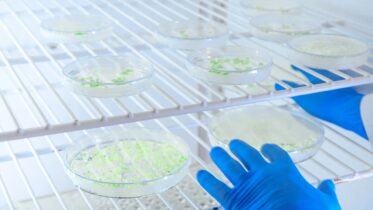
June 04, 2025 When we talk about plant cell culture and its promise to transform how we source bioactive ingredients, we often focus on the end products—potent antioxidants, immune-supportive polyphenols, and adaptogens with consistent potency and purity. However, behind every breakthrough plant cell culture ingredient is an invisible yet essential player: the culture medium. At Ayana Bio, we […]
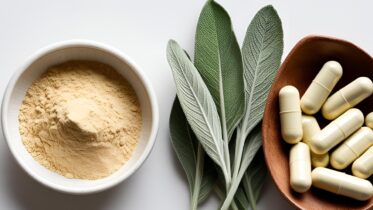
May 19, 2025 For centuries, Salvia officinalis—commonly known as sage—has been used as a traditional medicine to boost memory, reduce inflammation, and support overall wellness. Scientific research confirms that dry sage leaf powder can enhance memory, focus, and mood. These benefits make sage a compelling option for cognitive support in foods, beverages, and dietary supplements. Sage is also […]

May 06, 2025 Rose hips—the small, vibrant fruits of the dog rose (Rosa canina)—have supported immune health and overall wellness for centuries across Europe, Asia, and the Americas. The awareness of dog rose’s health benefits surged during World War II, when the British government launched a nationwide effort to collect wild rose hips as a substitute for scarce […]

April 16, 2025 Echinacea purpurea, also known as purple coneflower, is one of the most recognized and widely used botanical ingredients in the world for immune support. Indigenous communities have used this natural botanical ingredient, native to North America, to treat various ailments, from infections to inflammation. Today, it’s a staple in the global supplement market, known for its […]

April 08, 2025 Visit Ayana Bio at the IFT First 2025, Chicago, July 13-16, 2025 South Building, Start Up Pavilion Booth S3470V
