Natural vs. Synthetic Preservatives: How New U.S. Dietary Guidance Is Shaping Food Formulation
The release of the new U.S. Dietary Guidance and updated food pyramid signals more than a consumer nutrition update. It reflects a broader shift in how regulators, brands, and consumers evaluate food processing and ingredient choices. While the guidance continues to emphasize whole foods, fruits, vegetables, and balanced diets, it also reinforces growing concern around highly processed foods and artificial additives, including synthetic preservatives.
For food and beverage consumer brands, this raises an important question: What does the new U.S. Dietary Guidance mean for formulation strategies, and how should companies respond?
A Clear Signal: Moving Away from Artificial Preservatives
The latest dietary guidance encourages consumers to limit foods that are heavily processed and formulated with artificial ingredients. Although not framed as a regulatory ban, the message is unmistakable: synthetic preservatives are coming under greater scrutiny as public health guidance evolves and consumer expectations continue to shift.
Preservatives such as BHA, BHT, and other synthetic antioxidants have long played a functional role in extending shelf life. However, growing scrutiny from regulators, advocacy groups, and retailers is prompting brands to reevaluate whether these ingredients still align with clean-label goals and long-term portfolio strategies.
This guidance reinforces a trend already well underway: ingredient decisions are no longer just about cost and functionality, they are about trust, transparency, and future-proofing.
Emerging Research Adds Urgency
Are synthetic preservatives safe? This question is becoming more common as new research and policy signals converge.
At the same time as the dietary guidance update, new peer-reviewed research is adding momentum to the conversation. A 2025 study published in The BMJ reported an association between consumption of certain synthetic preservatives and increased cancer risk. While the findings do not establish causation, they contribute to a growing body of evidence that is influencing public perception and policy discussions.
For food and beverage brands, this type of research matters not only for its scientific implications, but for how it shapes retailer standards and consumer behavior. Increasingly, brands are being asked not just whether ingredients are permitted, but whether they are necessary, defensible, and aligned with evolving guidance.
Natural Preservatives: Opportunity and Challenge
As scrutiny around synthetic preservatives grows, interest in natural preservatives continues to accelerate. Yet replacing synthetic preservatives is not as simple as swapping one ingredient for another.
Effective natural preservation must deliver consistent performance at scale. In practice, natural preservatives must offer:
- Consistent performance across applications
- Reliable supply at commercial scale
- Clean sensory profiles
- Regulatory and label compatibility
Traditional agricultural sourcing can struggle to meet these requirements due to variability in crop quality, climate impacts, and contamination risks. Additionally, some natural preservatives may impact sensory profiles. For these reasons, reformulation timelines often stretch longer than expected.
Why Ingredient Technology Matters
Advances in ingredient technology are reshaping what’s possible with natural preservatives. Controlled production methods, such as plant cell culture, offer a way to decouple bioactive ingredient performance from agricultural variability.
By producing functional compounds in a controlled environment, plant cell culture enables:
- Consistent bioactive profiles
- Significantly reduces the risk of contaminants
- Scalable production independent of climate or geography
- Neutral taste profile can lower the impact on sensory profiles
These attributes are increasingly important as brands look to replace synthetic preservatives without sacrificing shelf life, quality, supply reliability, or flavor.
Sage and the Shift Toward Functional Preservation
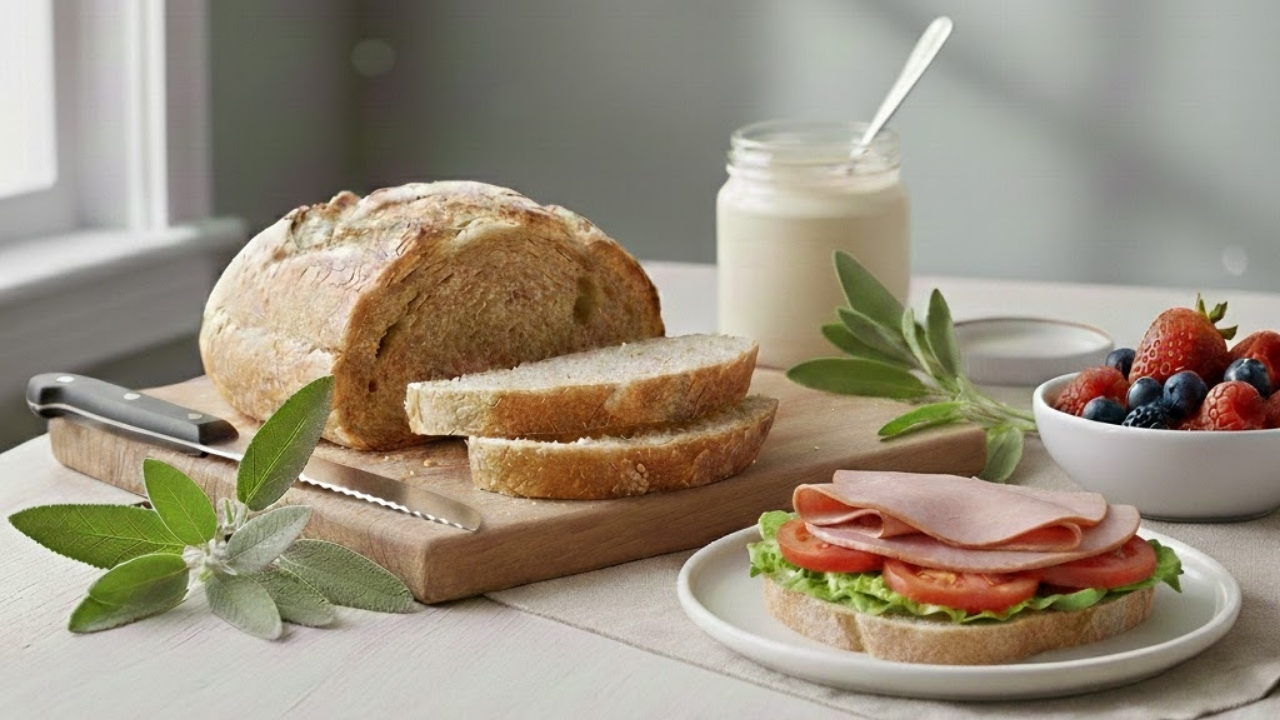
Sage-derived compounds, such as rosmarinic acid, are rich in antioxidant activity and are gaining attention for their role in food preservation. Historically, plant-derived antioxidants have been limited by variability, supply constraints, and impact on sensory profiles. New ingredient innovation approaches are changing that equation.
As consumer product brands explore alternatives to synthetic preservatives, ingredients derived from sage represent a compelling example of how functional performance and clean-label expectations can converge, especially when supported by ingredient innovation through plant cell culture.0
What the New Dietary Guidance Means for Food and Beverage Manufacturers
Taken together, the new dietary guidance and emerging research send a clear message to the food and beverage industry:
- Reformulation pressure will continue to grow
- Ingredient transparency will matter as much as nutritional panels
- Preservation strategies must evolve alongside policy and science
Consumer brands that proactively evaluate their use of synthetic preservatives and explore scalable natural alternatives will be better positioned to adapt as guidance, research, and consumer expectations continue to evolve.
Looking Ahead: What This Means for Product Development and Reformulation
The conversation around preservatives is becoming more visible as consumer awareness, dietary guidance, and scientific research increasingly converge. As the food industry moves into 2026 and beyond, natural preservatives are shifting from a “nice-to-have” to a strategic imperative.
For food and beverage consumer brands navigating this transition, now is the time to reassess formulation strategies, ingredient sourcing, and long-term alignment with dietary guidance. Otherwise, external pressure may make those decisions unavoidable.
This article is part of Ayana Bio’s ongoing exploration of how plant cell culture and ingredient innovation can help food brands meet the demands of a changing food system.
Frequently Asked Questions: Preservatives and the New U.S. Dietary Guidance
What does the new U.S. Dietary Guidance say about preservatives?
The new U.S. Dietary Guidance encourages consumers to limit highly processed foods and artificial additives. While it does not ban any specific preservatives, it signals increased scrutiny of synthetic ingredients as part of broader public health and nutrition guidance.
Are synthetic preservatives safe to use in food?
Synthetic preservatives that are approved for use remain legally permitted. However, emerging research, evolving dietary guidance, and rising consumer awareness are prompting food brands to reassess whether certain synthetic preservatives remain necessary or aligned with clean-label and transparency expectations.
Why are food and beverage brands exploring natural preservatives?
Food and beverage brands are increasingly exploring natural preservatives to meet consumer demand for cleaner labels, reduce reliance on synthetic additives, and future-proof formulations against regulatory and reputational risk. At the same time, newer and more agile brands are often able to adapt more quickly to changing expectations, increasing competitive pressure across the category.
What are the challenges of using natural preservatives in food products?
Natural preservatives must deliver consistent performance, reliable supply, and acceptable sensory profiles at commercial scale. Traditional agricultural sourcing can introduce variability, making ingredient technology and controlled production methods critical to successful reformulation.
How does ingredient innovation support preservative reformulation?
Ingredient innovation, including approaches such as plant cell culture, enables the consistent and scalable production of functional compounds. These technologies help food brands transition away from synthetic preservatives while maintaining shelf life, quality, sensory targets, and supply reliability.
What does the new U.S. Dietary Guidance mean for food formulation?
The new guidance signals growing emphasis on ingredient transparency and reduced reliance on highly processed inputs. For food brands, this increases the importance of evaluating preservative strategies alongside formulation, sourcing, and long-term product positioning.
 BACK
BACK