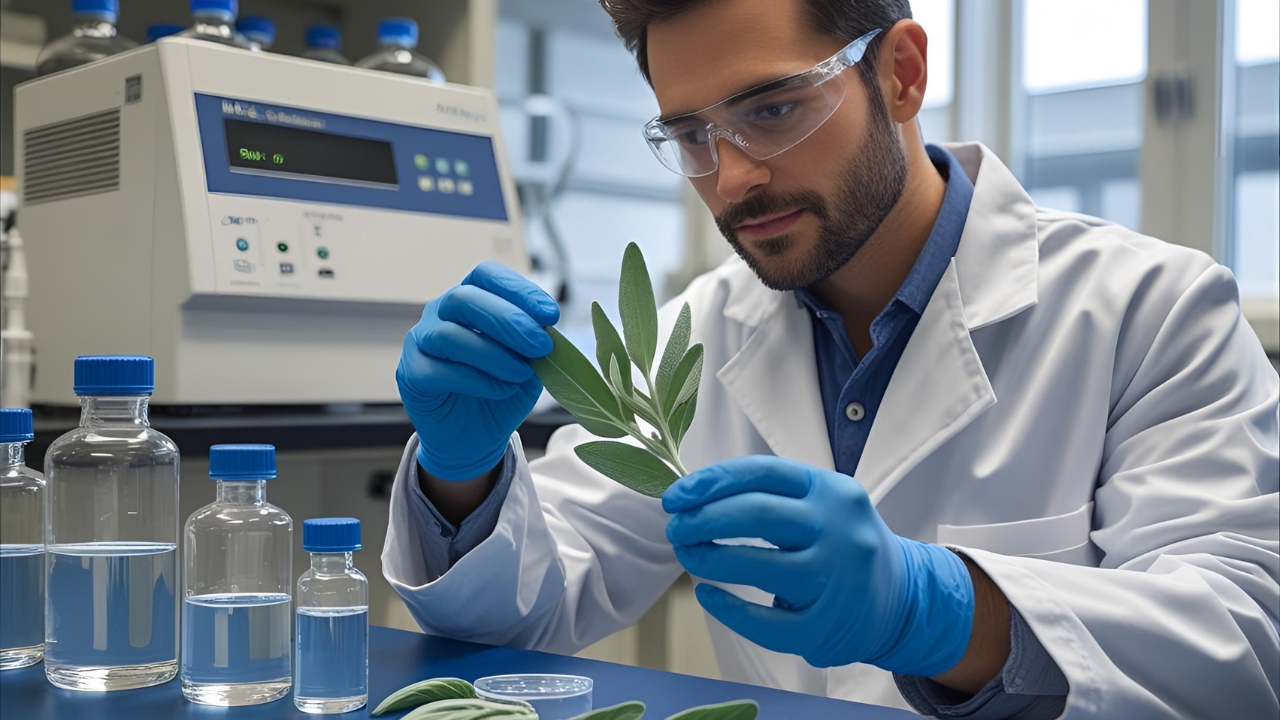
The Role of Sage Polyphenols as a Bioactive Ingredient for Healthy Aging
Aging affects every system in the body. Oxidative stress rises, inflammation persists, and cognitive and cardiovascular functions can decline.
Nutrition science points to bioactive ingredients as natural compounds that help counter the biological changes that come with age. In nature, plants produce these compounds as part of their own survival strategy, defending against UV rays, drought, and pests. But these stress-induced molecules don’t just protect plants, they can also confer similar benefits to humans and animals. And sage polyphenols, specifically, are valuable for their ability to support healthy aging.
Why Sage Polyphenols Are a Valuable Bioactive Ingredient
Common sage (Salvia officinalis) is anything but common. Beyond its role as a culinary herb, it also serves as a natural food preservative and contains a range of bioactive ingredients, including rosmarinic acid, luteolin, and salvianolic acids.
These compounds are more than antioxidants: Research suggests that sage polyphenols may help maintain healthy brain signaling. In one study, S. officinalis extract improved memory and attention in older adults, suggesting possible effects on neurons. Sage also has been shown to help the body maintain natural inflammatory balance by inhibiting NF-κB activation and reducing inflammatory markers in both cell-based and animal studies. Additionally, an animal study suggests sage enhances cellular resilience by boosting antioxidant enzymes like superoxide dismutase (SOD) and catalase (CAT), which supports the body’s ability to manage everyday stress at the cellular level.
Boosting Brain Health by Supporting the Growth of Neurons
A recent 2021 peer-reviewed study in the International Journal of Molecular Sciences identified a sage-derived bioactive ingredient called benzyl 6-O-β-D-apiofuranosyl-β-D-glucoside (B6AG). Researchers found that B6AG significantly increased the expression of two important proteins in glial brain-support cells: brain-derived neurotrophic factor (BDNF) and glial cell line–derived neurotrophic factor (GDNF). But what are these neurotrophic factors?
In short, neurotrophic factors are proteins that act like growth signals for neurons. They help brain cells survive, form new connections, and adapt to changing demands. In other words, neurotrophic factors help the brain function properly. This type of cellular support is critical for maintaining memory, focus, and learning ability as we age. These are key aspects of healthy aging supported by bioactive ingredients like B6AG from sage.
Sage Tea’s Impact on Antioxidant Defenses
Research also supports the benefits of sage polyphenols in everyday consumption. In a clinical trial, healthy female adult participants drank sage tea twice daily for several weeks. The study found:
- Boosts antioxidant enzymes: Increased activity of key antioxidant enzymes, such as superoxide dismutase (SOD) and catalase (CAT), which help neutralize harmful free radicals and protect cells from oxidative damage.
- Protects cell function: Elevated levels of Hsp70 proteins, which help maintain healthy cell function under oxidative and metabolic stress.
- Supports metabolic wellness: Improved markers of insulin sensitivity, a sign that the body may use glucose more efficiently to support balanced energy and metabolic wellness.
These effects extend beyond cognitive support. They suggest that sage polyphenols contribute to metabolic stability, an important factor in healthy aging through the maintenance of cellular stress defenses and energy metabolism.
How Polyphenols Support Longevity
Sage polyphenols are more than just antioxidants. New research reveals how S. officinalis influences key biological pathways linked to aging:
- Helps modulate pro-inflammatory NF-κB signaling. Sage extract inhibited NF-κB activation and lowered levels of TNF-α, IL-6, and IL-1β in human immune cells.
- Reduces peripheral and neuroinflammation. In diverse human cell models, sage decreased inflammatory markers like CRP, VCAM-1, and ICAM-1. It also lowered reactive oxygen species (ROS) in brain microvascular cells, supporting blood–brain barrier health.
- Supports metabolic balance. A clinical trial reported that sage extract significantly improved lipid and oxidative stress markers in women with Polycystic Ovary Syndrome (PCOS), pointing to benefits in metabolic aging.
Together, these findings show that S. officinalis can help protect against inflammation, oxidative stress, and metabolic imbalance. As such, sage polyphenols are a compelling bioactive ingredient that promotes healthy aging by targeting multiple biological pathways at once.
Plant Cell Culture as a Sustainable Source to Produce Sage as a Bioactive Ingredient
Traditional sage farming is at the mercy of climate, soil quality, and seasonal shifts. These factors that can cause unpredictable yields and inconsistent levels of beneficial compounds.
Plant cell culture offers a sustainable alternative. This method produces sage polyphenols year-round in a controlled environment. It avoids pesticides, heavy metals, and harvest variability. The result is a consistent, clean bioactive ingredient for supplements and functional foods.
Why Sage Polyphenols are a Valuable Bioactive Ingredient for Healthy Aging Formulas
Sage polyphenols combine antioxidant, anti-inflammatory, and neurotrophic effects in one bioactive ingredient. They offer science-backed support for brain, heart, and metabolic health.
When produced through plant cell culture, sage polyphenols also meet the growing demand for clean-label and sustainable, high-quality ingredients. That’s a win for brands and consumers alike.
The Future of Healthy Aging with Plant Bioactives
As research continues to uncover the unique properties of sage, its polyphenols stand out as a versatile and sustainable bioactive ingredient. With plant cell culture making these compounds more accessible than ever, brands have a powerful opportunity to shape the future of healthy aging.
 BACK
BACK